
Kids Color Blind Test
A fun, child-friendly way to screen for color vision deficiency. Children identify hidden animals in colorful dot patterns — no reading required.
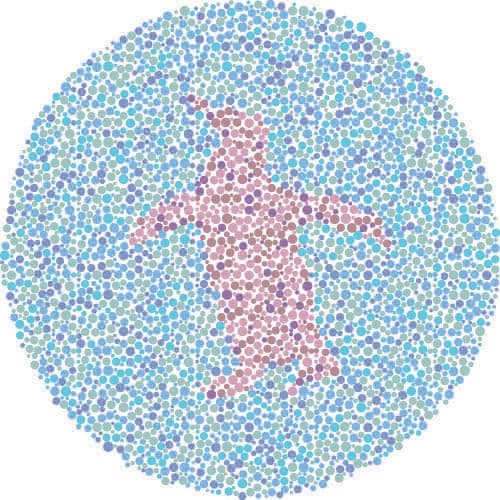
Kids Color Blind Test
A fun, child-friendly color vision test! Find the hidden animals in the colorful dot patterns.
- •Look at the colorful circle and find the hidden animal
- •Click on the animal you can see from the options below
- •If you can't see any animal, click "I Can't See"
Tips for Parents
Color vision deficiency affects roughly 8% of boys and 0.5% of girls. Early screening helps ensure your child gets the right support at school — particularly for activities involving color-coded materials, maps, or art.
Before Starting
Set your screen brightness to at least 75% and turn off any color filters (night mode, blue light filter). Find a comfortable, well-lit spot where your child can sit without distractions for a few minutes.
During the Test
Frame it as a game — "Can you spot the hidden animal?" Let your child point to or name the animal without prompting. Avoid giving hints about what the correct answer might be. If they hesitate, encourage them to pick "I can't see" rather than guessing.
After the Results
If your child scores below 80%, don't worry — this is a screening tool, not a diagnosis. Factors like screen quality or a child's mood can affect outcomes. Schedule a visit with an optometrist for confirmation and to discuss school accommodations if needed.
How the Test Works
1. Spot the Animal
Each plate shows colored dots with a hidden animal shape. Children with normal color vision can pick it out easily.
2. Tap the Match
Choose the matching animal from the options below the plate. If no animal is visible, tap "I can't see any animal."
3. See the Score
After 10 plates, results show how many animals were correctly identified and whether further testing is recommended.
Signs Your Child May Be Color Blind
Many children learn to name colors by rote without actually perceiving them the same way others do. A child might call a fire truck "red" simply because they've been told it is — not because they see the same red you do. Here are some behaviors that may suggest a color vision issue:
Drawing & Coloring
Using unexpected colors — purple leaves on trees, green skin on people, or brown sky. Reluctance to color in worksheets or frustration with choosing crayons.
Color Identification
Mixing up red/green, pink/grey, or purple/blue pencils. Difficulty sorting colored blocks or beads when shades are similar.
Lighting Sensitivity
Colors become harder to distinguish in dim lighting or with small colored areas, but noticeably easier in bright natural daylight.
Avoidance or Denial
Reluctance to play color-matching games, or insisting they see colors correctly when results suggest otherwise.
Family history matters: if any males on the mother's side (uncles, grandfathers, cousins) are color blind, the chance is higher. By age 5, children with normal vision should identify color groups confidently within seconds.
Sources
- National Eye Institute (NEI) — Color blindness overview including prevalence in children
- American Academy of Ophthalmology (AAO) — Early detection and screening recommendations for children
- National Health Service (NHS) — Guidance on colour vision deficiency in children and school support
- Colour Blind Awareness — Education — How color blindness affects children in school and recommended accommodations
- MedlinePlus Genetics — Genetic inheritance patterns of color vision deficiency
Frequently Asked Questions
Related Tests
Ishihara Test
Classic color blind test with 14 or 38 Ishihara plates.
Red-Green Color Blind Test
Specialized test for Protanopia and Deuteranopia detection.
Blue-Yellow Color Blind Test
Screen for Tritanopia and Tritanomaly.
FM100 Hue Test
Test your color discrimination ability with hue arrangement.
Lantern Test (FALANT)
Farnsworth Lantern test used by the military, FAA, and maritime services.
Cambridge Color Test
Computerized test using Landolt C rings to screen for all types of color blindness.
Farnsworth D-15 Test
Arrange 15 colored caps to screen for protan, deutan, and tritan color vision deficiency.
Color Blindness Simulator
Upload any image to see how it looks through the eyes of someone with color blindness.